
DIAMONDS INSTEAD OF COST PRESSURE - Rising tungsten prices make PCD more attractive
CERATONIA Opens Up New Possibilities – Reduce Tool Wear and Increase Productivity with PKD.
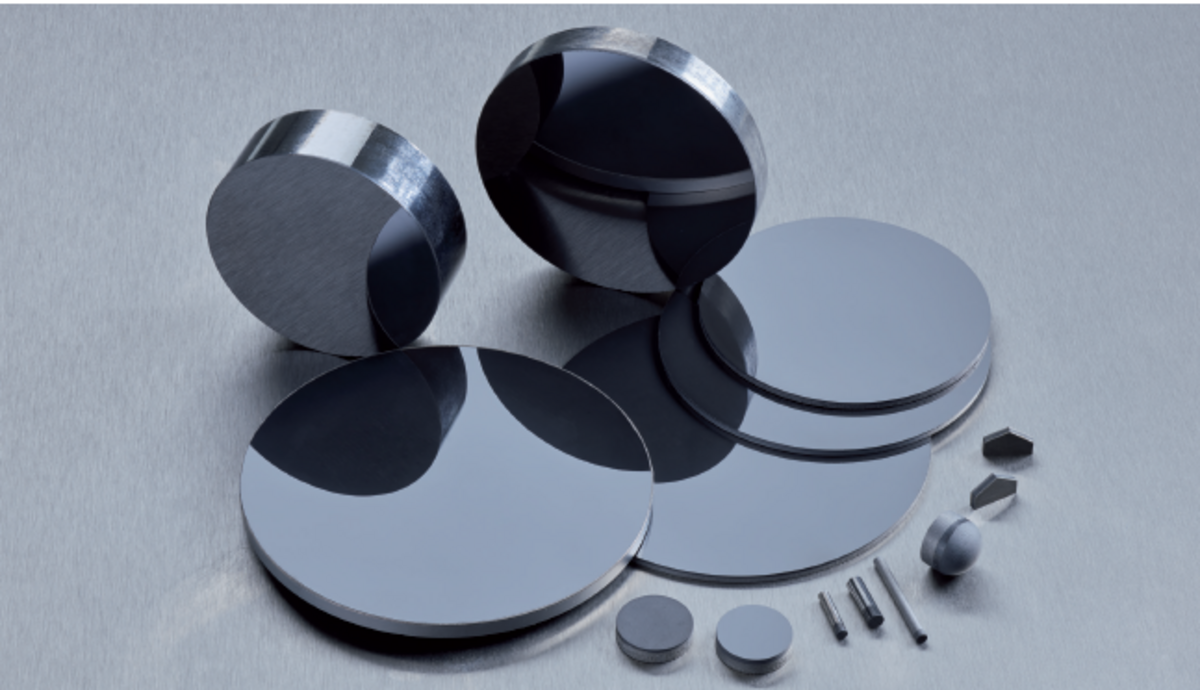
Cut-to-size parts and semi-finished products based on customer drawings
Rising tungsten prices are putting pressure on the manufacturing industry. As early as the beginning of 2026, the price of raw tungsten (ammonium paratungstate) reached record levels. Since tungsten is a key component of cemented carbide, the demands for cost-effective tool usage are also increasing. For many companies, now is the right time to consider alternatives.
LONGER SERVICE LIFE, LOWER UNIT COSTS
Tools made with polycrystalline diamond (PCD) offer significant economic advantages in suitable applications. Their high wear resistance enables significantly longer tool life, reduces tool changes, and minimizes machine downtime. The key factor here is not the purchase price, but the cost per manufactured part. A documented case study in deep drilling illustrates the potential here: While a solid carbide drill achieved a service life of 2,500 parts, a drill with a PCD cutting edge produced 15,000 parts under identical cutting conditions. This sixfold increase in service life demonstrates just how significantly tool consumption can be reduced under suitable conditions.
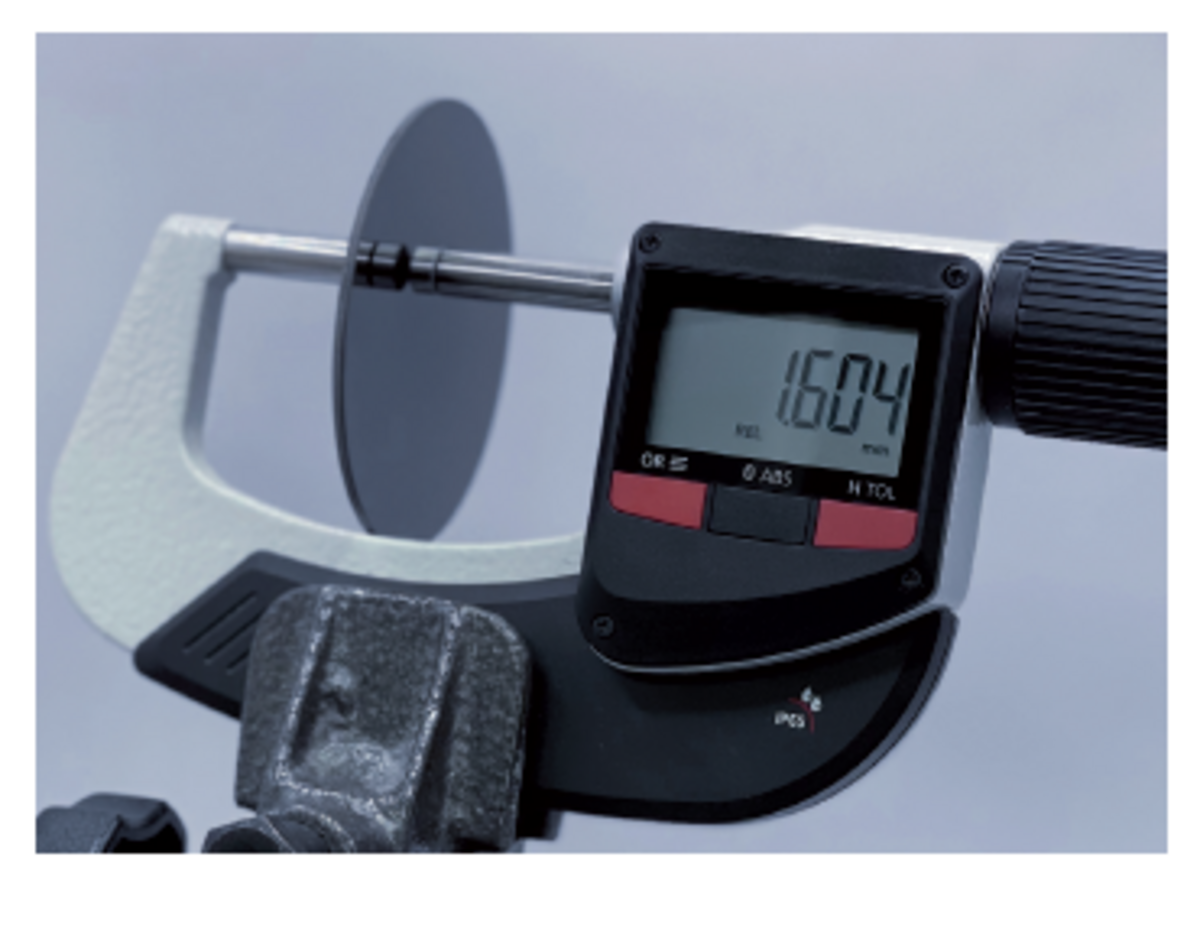
Measuring Coating Thickness or Material Thickness Using a Digital Vernier Caliper
LESS HARD METAL, MORE PERFORMANCE
The use of raw materials also calls for a reassessment. Although many PCD tools still contain cemented carbide as a substrate or tool body, their longer service life allows for significantly higher machining output to be achieved with the same amount of material. Added to this is the possibility of reconditioning. Depending on the tool design, PCD cutting edges can be resharpened or diamond segments replaced. This extends the service life and reduces the need for new tools. The foundation for this is the correct choice of cutting material. CERATONIA supplies tool manufacturers with high-quality PCD raw materials for a variety of machining requirements. PCD is particularly effective when machining aluminum alloys, non-ferrous metals, and abrasive fiber-reinforced composites.
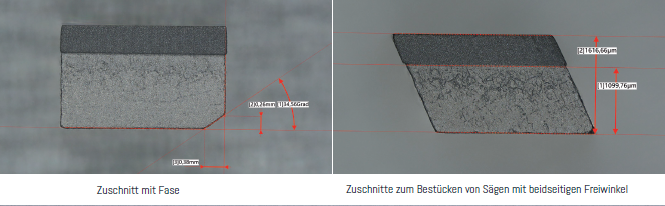
QUESTION TOOL CONCEPTS NOW
Rising carbide prices are changing the economic equation. Applications where PCD was previously only just cost-effective may now be significantly more attractive. Those who critically review their carbide consumption today can not only reduce procurement costs and tool changes through the targeted use of PCD, but also make their manufacturing processes more cost-effective in the long term.
The message is clear: Don’t focus on the tool price - focus on lowering the cost per part. Now is the right time to switch to PCD.
Source |CERATONIA GmbH & Co. KG