![[Translate to English:] InDiamond.world](/fileadmin/_processed_/a/1/csm_InDiamond_Logo_2021_1fb017de30.png)
From a Swabian family business to a global synonym for precision
There are companies that need introducing – and there are companies whose name has long spoken for itself. Paul Horn GmbH, based in Tübingen, undoubtedly falls into the latter category. What once began as a specialist in between-flank machining is now a globally recognised leader in machining technology. In more than 70 countries across every continent, companies in the automotive, chemical, aerospace and medical technology sectors, as well as in tool and mould making, rely on precision tools from Horn.
Through its innovative strength, a high degree of vertical integration and an uncompromising commitment to quality, Horn has built up an outstanding market position over the decades. But what are the factors behind this extraordinary success? What challenges and opportunities will shape the future of a company that is regarded worldwide as synonymous with precision?
In conversation with Markus Horn, Managing Director of Paul Horn GmbH, and Matthias Rommel, Managing Director for Technology and Production, DIAMOND BUSINESS examines the factors behind the success of a company that has played a key role in shaping industrial development for decades. The focus is on technological innovations, international market requirements and the prospects for a family-run business in the face of global competition.
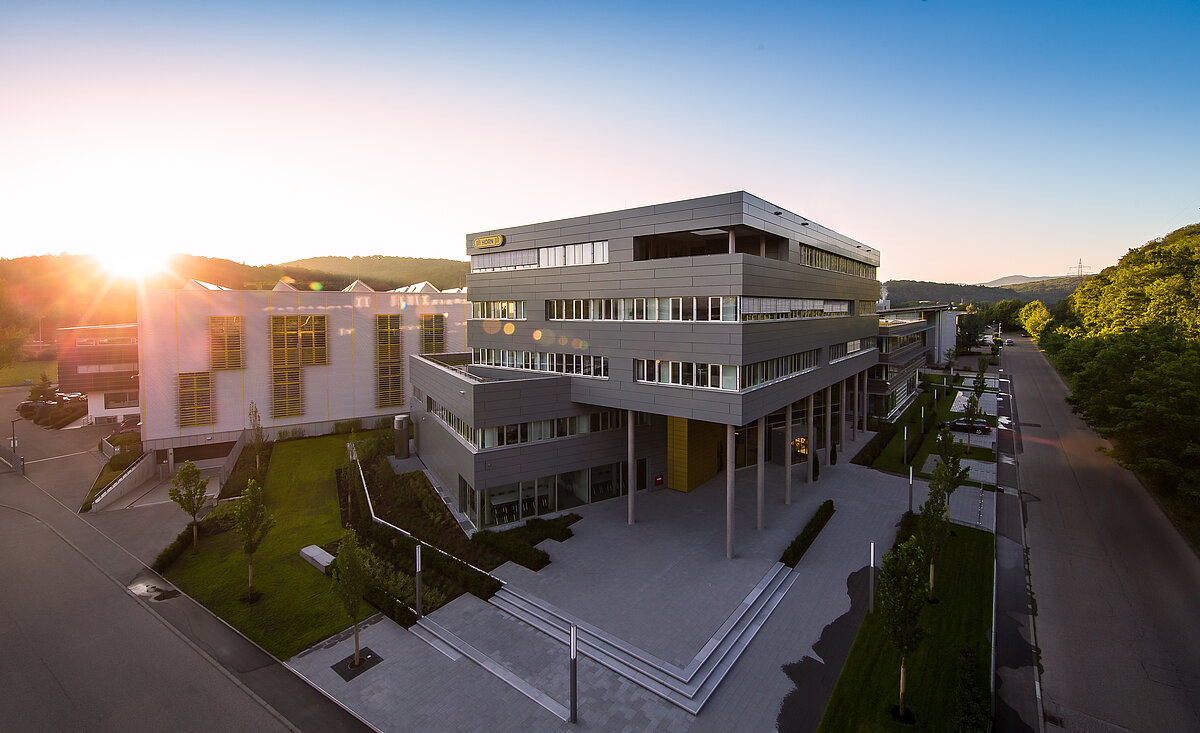
DIAMOND BUSINESS: Every large company started out small. What was the idea behind Horn’s success story, and how did it develop into a world-leading manufacturer of precision tools?
Markus Horn: My grandfather, Paul Horn, was a pragmatic entrepreneur. After returning from captivity as a prisoner of war, his health having suffered, he began working as a sales representative and specialised in carbide tools. He was very successful in this field, but found time and again that the sales territory he had built up was repeatedly scaled back over time. This eventually led to his conviction that he should take the plunge into self-employment and develop his own solutions. The first major breakthrough came in the field of piston machining. My grandfather transformed a customer’s in-house production of a high-precision product into an industrial manufacturing process and, from then on, produced it as a contract manufacturer. Thanks to his many years’ experience in sales, he was always close to the market and, above all, close to the customer. He knew the users’ requirements inside out and recognised early on which solutions would be in demand in the future. This customer focus and keen sense of technological developments continue to shape the company to this day. Those who understand the needs of the market can drive innovation in a targeted manner – and this, right from the start, was one of Horn’s great strengths.
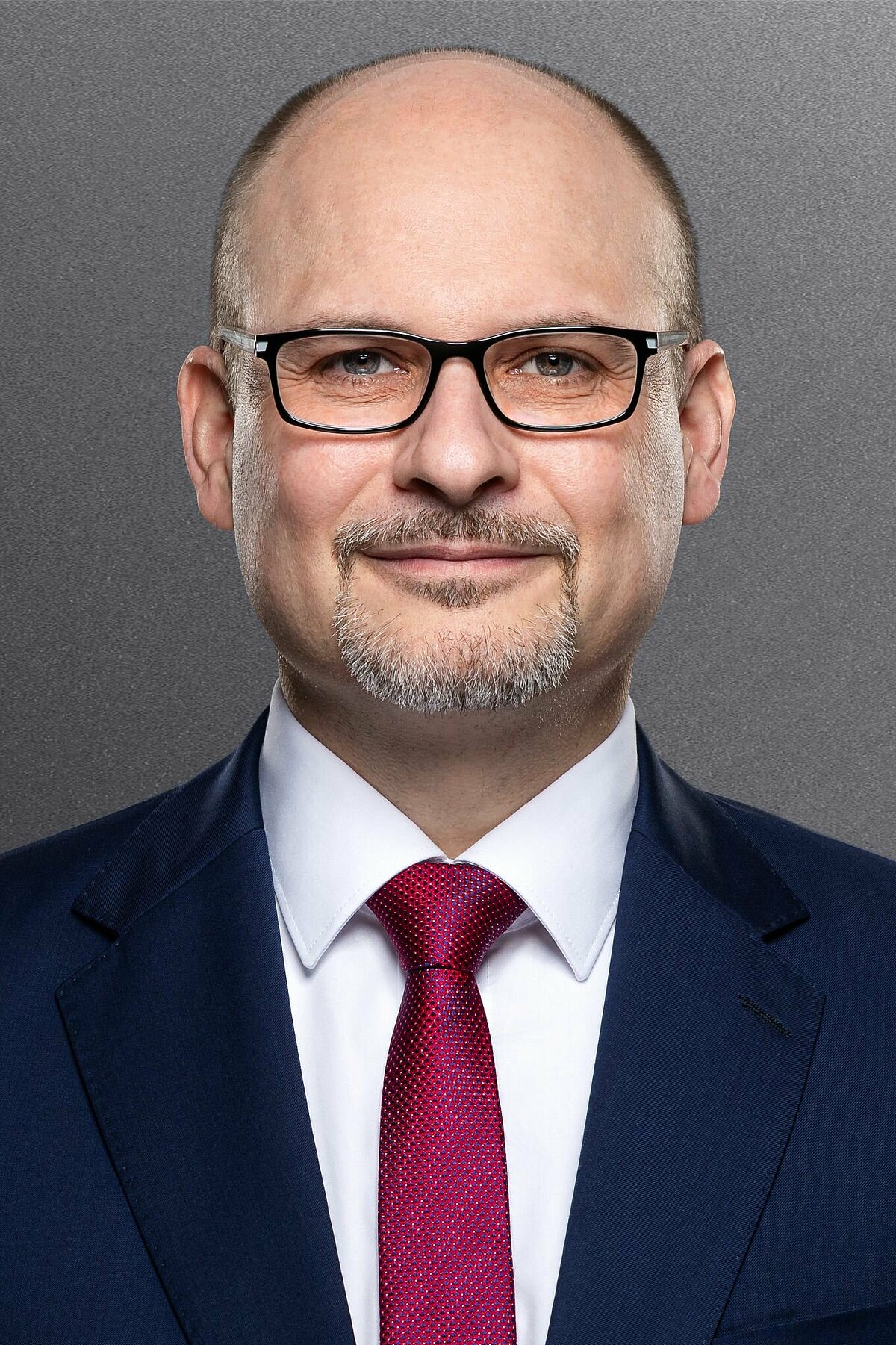
Markus Horn
Managing Director
of Hartmetall-Werkzeugfabrik Paul Horn GmbH
Between tradition, responsibility and the future
Markus Horn
Some paths seem to be mapped out in advance. “My grandad always used to say to me: ‘This will be your company one day’,” recalls Markus Horn. For his grandfather Paul Horn, and later for his father Lothar Horn too, the future seemed clear from an early age. For Markus Horn himself, however, this path was by no means a foregone conclusion.
That is why it was important to him to gain his own experience and forge his own path. After completing his apprenticeship as an office administrator, he studied business informatics and initially worked outside the family business. This was no detour, but a conscious decision. Looking back, this period was the most instructive of his life.
Today, the 44-year-old is at the helm of the HORN Group as the third generation of the family to run the business. For him, this is far more than just a job – it is a commitment, a matter of trust and a labour of love all at once.
Anyone who speaks to Markus Horn quickly senses the deep admiration he has for his father, who passed away a few years ago. Much of what shapes him as an entrepreneur can be traced back to his father’s example. Today, Matthias Rommel is an important source of advice. Markus Horn values his experience, his level-headed manner and his ability to make decisions based on facts and with foresight.
Markus Horn prefers to think in terms of generations rather than quarters. He therefore sees his role as driving the company forward to the next stage of its development. Like his grandfather and his father, he sees himself as a visionary – though with a clear focus on the digital world. New technologies, data, automation and the opportunities offered by the connected industry are just as central to this as the people who make the company’s success possible in the first place.
In his private life, he is also passionate about motor racing. His eyes light up when he talks about the German Touring Car Championship. “For me, second place is already the first loser,” he says with a wink. Perhaps it is precisely this ambition that prevents him from climbing into the cockpit himself.
He spends his most precious time with his daughter anyway. Sundays are reserved for the family. He is particularly grateful to his wife, who supports him, and for the fact that his family is doing well. For Markus Horn, family is not the opposite of the business – it is its foundation.
And so today he continues what his grandfather began decades ago: not as the steward of a legacy, but as the architect of the next generation.
Mr Horn, markets and technologies are changing rapidly. Does staying close to customers still remain the most effective formula for long-term business success?
Markus Horn: Absolutely. Proximity to our customers remains a key factor in our success. That is why we continue to rely consistently on direct sales to this day. The focus of our field sales team is not primarily on sales, but on providing technical advice. Our staff support customers in solving challenging manufacturing tasks, optimising processes and implementing more cost-effective production workflows.
Matthias Rommel: Around half of our solutions are custom-made special-purpose tools. Such projects do not arise in isolation, but through close collaboration between the user, our specialists and, frequently, the machine manufacturer as well. This intensive exchange of expertise and experience opens up new perspectives and enables solutions that can push the boundaries of what is currently possible in manufacturing. Innovations rarely arise at a desk. They develop through direct dialogue, joint testing, optimisation and further development. Particularly in the case of highly complex applications, there is simply no substitute for face-to-face dialogue on site.
Does this close collaboration with customers and partners also lead to new products and innovations that subsequently find their way into the standard portfolio?
Matthias Rommel: At the very least, this always leads to new insights, which are extremely valuable to us. Even if not every bespoke solution is directly incorporated into a mass-produced product, the experience gained and technical insights often feed into the further development of our standard products.
You showcase Horn both at major leading international trade fairs such as the AMB and as part of your own technology days at your Tübingen site. How important are these two platforms respectively for your company? Would you describe one of the two formats as being more crucial for you?
Matthias Rommel: For us, the two formats have clearly different focuses and each fulfil a distinct function. At AMB, we concentrate on maintaining relationships with existing customers, building brand presence and reaching out to new customers. At our exhibition stand there, we showcase our entire range of services and highlight the areas of application in which our products are currently used. This is also about positioning ourselves as a comprehensive solutions provider in the field of machining – because not every customer is yet fully aware of our portfolio. The Technology Days in Tübingen, on the other hand, are primarily aimed at our existing customers. Here, the focus is on knowledge transfer. Through seminars and practical demonstrations, we show in very concrete terms how our tools are manufactured, the technical requirements behind them, and the effort involved in developing bespoke solutions. The aim is to foster a deeper understanding of the processes and to make the complexity of modern tooling solutions tangible.
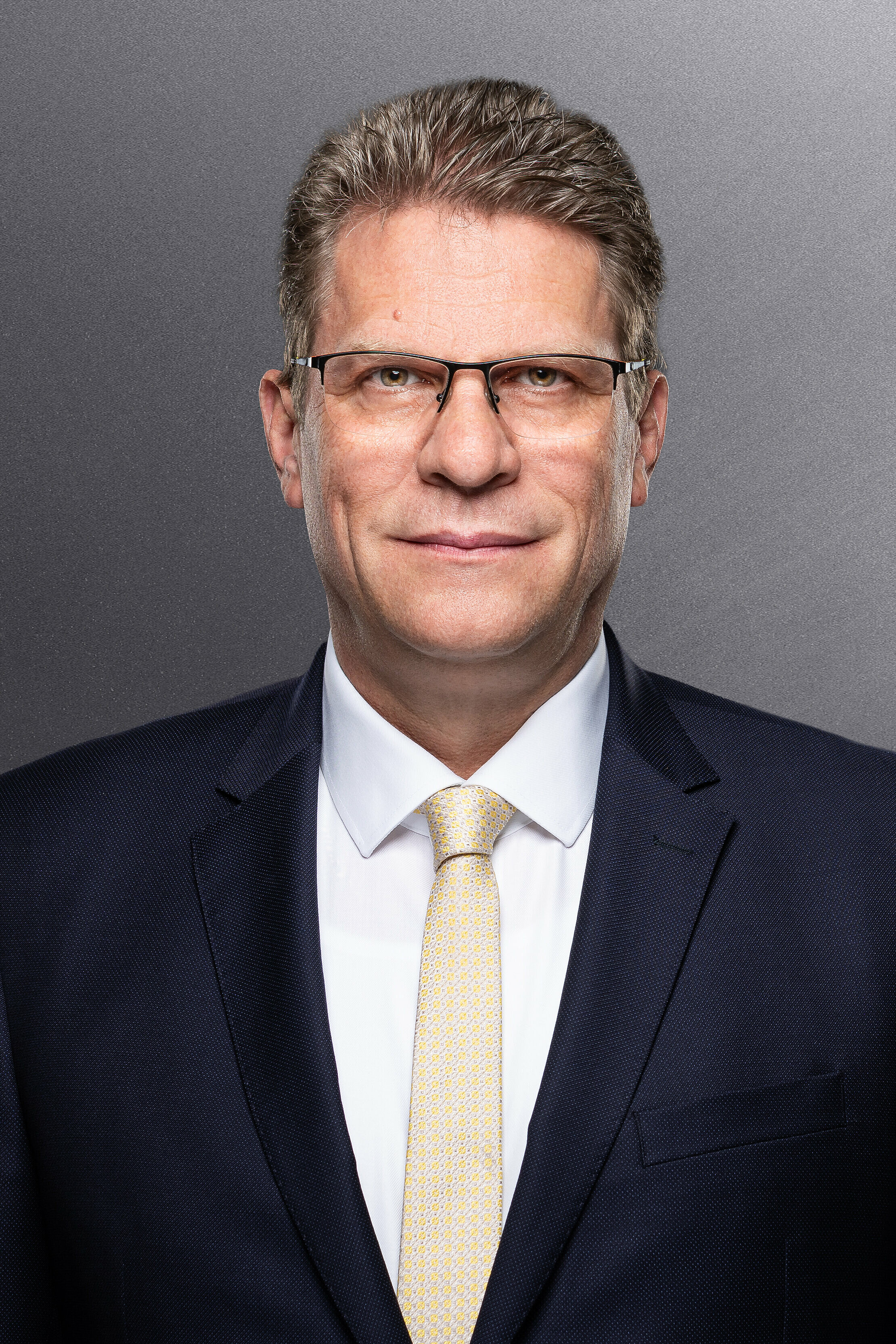
Matthias Rommel
Managing Director
of Hartmetall-Werkzeugfabrik Paul Horn GmbH
A passion for precision and change
Matthias Rommel
Born in 1969, he has been Managing Director for Technology and Production at Paul Horn GmbH in Tübingen since the end of 2018. With his many years of industry knowledge and extensive technical expertise, he is one of the most experienced leaders in the toolmaking industry. This broad experience continues to shape his leadership style and his perspective on technical and organisational interrelationships to this day. When he first came into contact with the Horn family at the age of 49, it quickly became clear to him that a special opportunity was presenting itself. He had known Horn for many years as an exceptional company. He had long been fascinated by the question of why Horn is more successful than many other tool manufacturers – and has thus made a name for itself worldwide. Today, he is proud to be part of the family-run business. For him, Horn embodies an alternative to many developments in the industry. Whilst other companies often follow short-term trends, Horn focuses on long-term thinking, entrepreneurial courage, passion and a willingness to invest continuously in innovation and the future. It is precisely the owner-managed structure that enables decisions that would be almost unthinkable in many other companies.
His daily motivation is the question of how Horn can become even better. Continuous improvement, technological excellence and the further development of the company are at the heart of everything he does.
In his private life, too, family is of great importance to him. The 56-year-old is the father of three now grown-up children and is now enjoying his role as a grandfather. He defines success not solely in terms of financial indicators, but as the ability to actively shape the future of a company together with a dedicated team, to see his staff happy, and to find personal fulfilment in the process.
He finds relaxation above all in places where he can retreat and where there are few people around him.He attributes his ability to pursue his career with such passion not least to his wife, who has stood by him over the years with great understanding and support.
In your view, are there still any traditional growth markets in the precision tools sector – or is growth now shifting more towards niche markets, specific applications and technological specialisation?
Markus Horn: That depends on how you look at the figures. If you look at the VDMA statistics, for example, you can see that turnover among German precision tool manufacturers has been falling slightly since 2018. However, if you adjust the figures for price changes, it becomes clear that the decline has actually been more pronounced in real terms since 2019. At the same time, we are seeing moderate growth abroad. This is primarily due to production capacities increasingly being shifted from Germany to international markets. For us, this means one thing above all: we must be faster, better and at the forefront of technology – whilst maintaining the highest quality and remaining open to any technical challenge. Our approach can best be described as ‘Passion for Technology’ and ‘Never give up’. In terms of our core activities, we see ourselves firmly rooted in the key processes of turning, milling and drilling – albeit in a highly specialised, application-oriented manner and with a strong focus on value-adding, complex solutions.
There is frequent talk in the media of a shortage of skilled workers. How serious is this problem in your sector at present – and has the situation changed in recent years?
Markus Horn: If you look at the VDMA’s figures, you can see a significant overall decline in employment figures in the mechanical engineering sector. Fewer people are currently employed there than at the height of the COVID-19 pandemic – and there are no signs of a clear reversal of this trend as yet. At the same time, the news tends to focus on site closures rather than new openings. Recent examples show that even large companies are restructuring and cutting jobs. Against this backdrop, the much-discussed issue of a skills shortage is put into perspective, at least to some extent. From a global perspective, we expect to see a shift in the labour market rather than a general shortage of workers in the coming years. For us, this issue has so far had only a limited impact. As a company with strong regional roots and a good reputation as an employer, we benefit from being perceived as a so-called ‘hidden champion’ and from being able to offer long-term employment. A key element of this is our consistent training and further education programme. We currently employ around 70 apprentices, mainly in production. Fundamentally, the question arises as to how much industrial value creation society wishes to retain in Germany in future, and whether there is a willingness to work in production – including, where necessary, on shift work. This debate will become increasingly acute in the coming years. At the same time, artificial intelligence is also significantly transforming academic career profiles, which will lead to a further shift in the world of work. It remains exciting to see where this journey will take us.
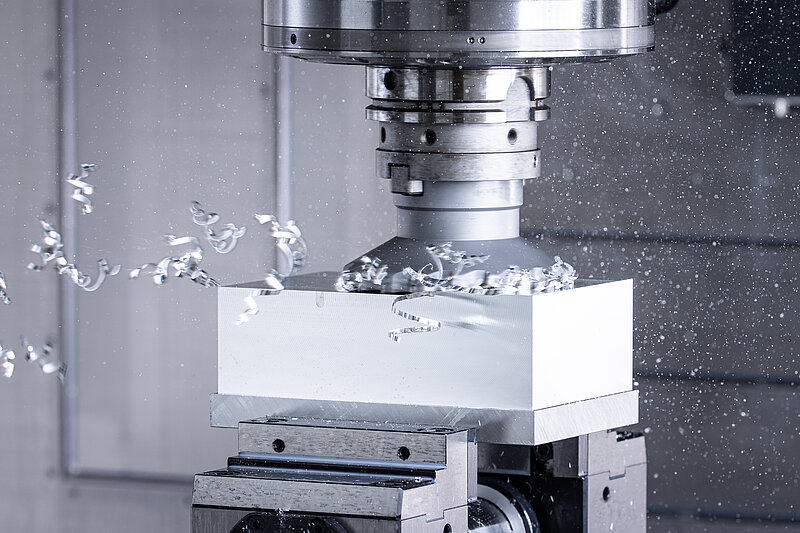
Horn is regarded as one of the most successful companies in the industry. Which periods in the company’s history were particularly challenging, despite its generally positive track record?
Markus Horn: There have been repeated crises over the past few decades – the financial and banking crisis of 2008/2009, the Covid-19 pandemic, the weakness in the automotive sector that has been evident since around 2018, and, most recently, sharply rising energy costs, geopolitical conflicts such as the war in Ukraine, and current uncertainties caused by trade and customs restrictions. As a rule, we have emerged from these phases stronger than before. At the same time, it must be said that the current situation in the automotive sector overshadows many of these previous developments. This sector remains of paramount importance to the precision tool industry – and can only be substituted to a limited extent by other sectors. Neither the defence industry nor the optical sector, nor any other niche markets, achieve volumes comparable to those of the traditional automotive sector, particularly in its existing structure centred on the internal combustion engine. Against this backdrop, it is reasonable to assume that overall growth in Germany will decline sharply. For us, this means that we must diversify our activities more broadly and focus more strongly on international markets and alternative industrial sectors in order to remain stable and successful in the long term.
Is aviation a relevant field of application for you – and how do you think this market is developing?
Matthias Rommel: For example, the first issue of 2026 of our customer magazine ‘world of tools’ featured an interesting article on the engine of the Ariane rocket, in the manufacture of which our tools are also used. We are active across a range of applications in the aerospace industry, particularly in the PCD sector. Furthermore, HORN solutions are also used in other demanding sectors – such as the jewellery and watchmaking industries, as well as in medical technology. Our tools also play an important role in traditional industrial sectors, for example in the manufacture of threaded sleeves for pipelines and refineries, as well as in applications relating to wind turbines or compressors for heat pumps. This diversity demonstrates that our tools are used in numerous highly specialised industries worldwide.
Given the wide range of applications, which sectors or applications do you think currently offer the greatest growth opportunities for Horn?
Markus Horn: We originally came from the field of turning – and many customers still associate us primarily with this area. However, our portfolio has since expanded significantly. Today, we cover a very broad spectrum: from milling, drilling and boring through to gear cutting technology, as well as CBN and diamond tools. In the public perception, we are certainly still seen as heavily focused on turning, but in reality the other technologies have long played an equally important role in our range. We are constantly working to further develop our portfolio and reach the next technological level. We are currently seeing a particularly strong market response in the areas of gear cutting and PCD tools. It is precisely in these areas that we are recording above-average growth, as these applications are strongly driven by efficiency, precision and increasing demands in manufacturing. New to the MKD range is our expanded portfolio of specialised tools for ring machining. In addition, we have significantly expanded our range of PCD tools and increased the variety of available models. We will be presenting our new products at the AMB.
Where do you currently see the greatest risks for Horn?
Matthias Rommel: We are dependent on the global market, but are currently facing disruption in world markets. This sometimes creates a sense that we are more confined to Western markets – which is painful. At the same time, we have first-class products and consistently invest in our employees’ expertise and direct customer contact. We are continuously streamlining our operational processes and have established ourselves as a global market leader. Nevertheless, the current operating environment is only partially favourable, and competition has intensified significantly. Flexibility is therefore becoming increasingly important to us.
In your view, what makes Tübingen such a distinctive location?
Markus Horn: For us, Tübingen is the key technology hub in Germany. The region continues to benefit from a strong education and higher education system that produces highly skilled professionals. Even though the overall conditions are, unfortunately, currently showing a tendency to deteriorate, the location still offers excellent conditions for innovation and knowledge transfer. We particularly value the high level of expertise among our staff. Many of them embody the typical Swabian spirit of ingenuity: the drive to continually question existing solutions and make them just that little bit better. This mindset shapes our corporate culture and contributes significantly to our innovative strength.
Many companies are now taking a critical view of Germany as a business location and speak of increasing competitive disadvantages. Do you share this view, or do you still believe the advantages outweigh the disadvantages?
Markus Horn: A few years ago, the political framework was more reliable and therefore made planning much easier. Overall, conditions for businesses were more business-friendly. We are still benefiting from a well-educated workforce, a high level of technical expertise and a strong industrial reputation. Germany is not yet a disadvantageous location for us, but there is a risk that this could become the case if the framework conditions are not improved. Particularly in mechanical engineering, precision technologies and industrial solutions, we remain among the world’s best. Europe is still capable of solving complex technical challenges. However, making sacrifices and imposing restrictions will not save our economy.
What sort of framework conditions would you like to see?
Matthias Rommel: What companies need above all else today are clear objectives, reliability and predictability. The constant political wrangling over direction is leading to many investments being postponed because nobody knows what the regulatory framework will be tomorrow. There is a lack of a long-term vision that companies can use as a guide. In my view, policymakers should define objectives more clearly, whilst prescribing fewer specific technologies or setting detailed requirements. If the goal, for example, is to reduce CO₂ emissions, the market should have the freedom to develop different solutions. These could include electric mobility, more efficient internal combustion engines, hydrogen or even e-fuels. I take a critical view of attempts to artificially impose individual technologies through extensive state subsidies or regulatory requirements. Developments in areas such as electric mobility or heating show that stable and sustainable solutions can rarely be enforced in this way in the long term. Germany has always been particularly successful when engineering expertise, innovative strength and technological competition have been promoted. This requires greater entrepreneurial freedom, less regulation and a clear political framework. This is how the best solutions emerge – economically, technologically and socially.
Looking ahead to the coming years, what challenges and developments do you think will have the greatest impact on the market?
Markus Horn: It is difficult to predict specific developments. That is why we monitor the market very closely and make a conscious effort to think outside the box. Our aim remains to continuously expand our product portfolio, strengthen our international presence and tap into new markets. One clear trend has remained unchanged for years: our customers expect greater cost-effectiveness, greater precision and the very highest quality. At the same time, demand for bespoke solutions is rising. Batch sizes are getting smaller, requirements more specific and applications more technical. Standard products alone are often no longer sufficient – what is needed are bespoke, high-precision solutions tailored to the specific application. This trend plays right into our hands – because this is precisely where our strengths have always lain.
Firmeninformation
| Managing Director: | Markus Horn |
| Matthias Rommel | |
| Founded: | 1. November 1969 |
| Product range: | High-precision tools and accessories for grooving, axial grooving, form grooving, parting-off, bore machining, grooving, hobbing, gear cutting, finish turning, thread turning, machining of tubes and sockets, groove, slot and cut-off milling, thread milling, polygon turning, thread whirling, high-gloss milling, boring, Face milling, corner milling, profile milling, turning-milling, reaming and drilling. |
| High-precision tools for, amongst other things, machining aluminium and lead-free materials. | |
| Additive manufacturing/3D printing processes (Selective Laser Melting) | |
| Blanks and wear parts | |
| Staff: | 960 in Germany |
| 1,500 worldwide | |
| Annual turnover: | ~ 305 Mio. € |
| ~ 205 Mio. € in Germany |
Photos | Horn / Sauermann