![[Translate to English:] InDiamond.world](/fileadmin/_processed_/a/1/csm_InDiamond_Logo_2021_1fb017de30.png)
Ingersoll sees full-range expertise as the key to the future
The demands placed on cutting tools are changing rapidly: rising productivity targets, new materials, increasing cost pressures and the desire for holistic solutions are shaping the market. In this environment, Ingersoll Werkzeuge GmbH is consistently positioning itself as a strategic full-line supplier that thinks far beyond the mere supply of tools.
With its headquarters in Haiger and sites such as Vaihingen, Ingersoll combines industrial vertical integration with application-oriented development. A key factor for the future is the in-house PCD production – an area of expertise that few manufacturers now cover themselves and which enables Ingersoll to achieve a high degree of independence, speed and flexibility in project work. Customers receive comprehensive support for both complex project applications and standard tools.
Jörg Lettermann has been at the helm of the company as Managing Director since 2025. In this interview, he discusses Ingersoll’s strategic direction, the importance of vertical integration, and how the company is positioning itself to meet the technological and economic challenges of the coming years.
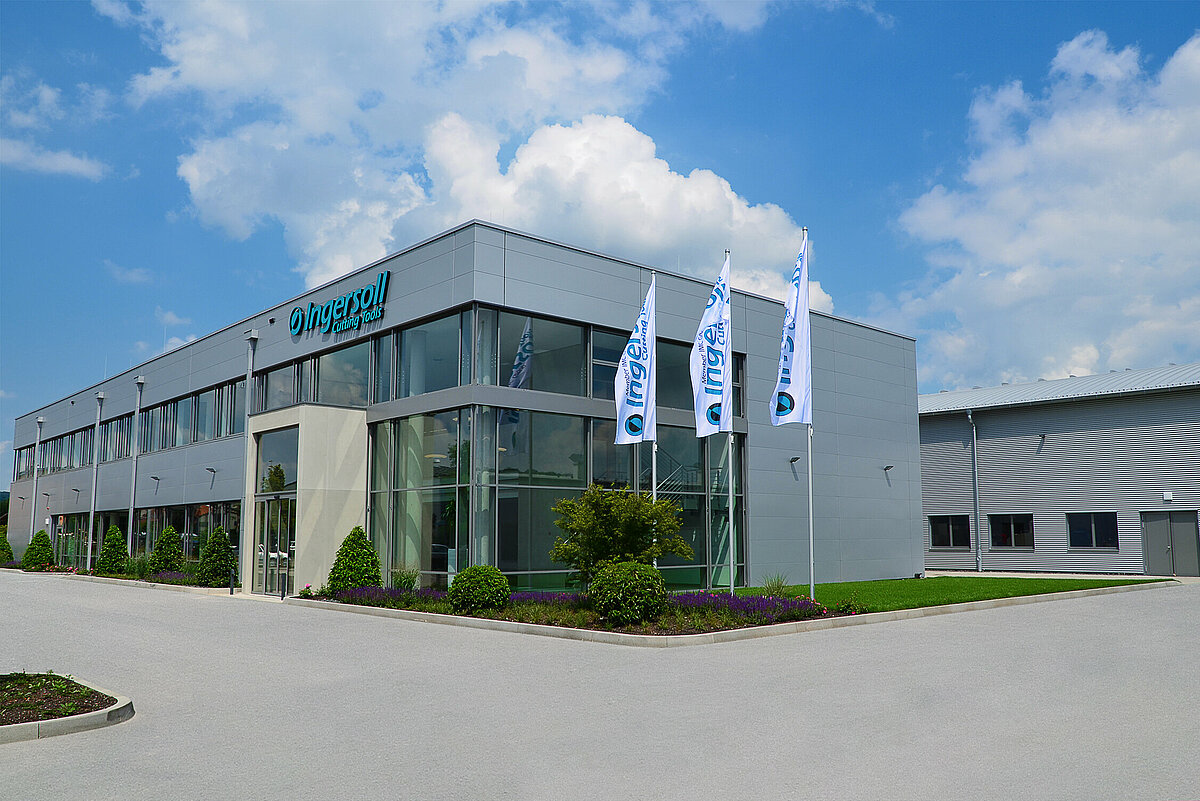
Ingersoll Werkzeuge GmbH - Southern Branch
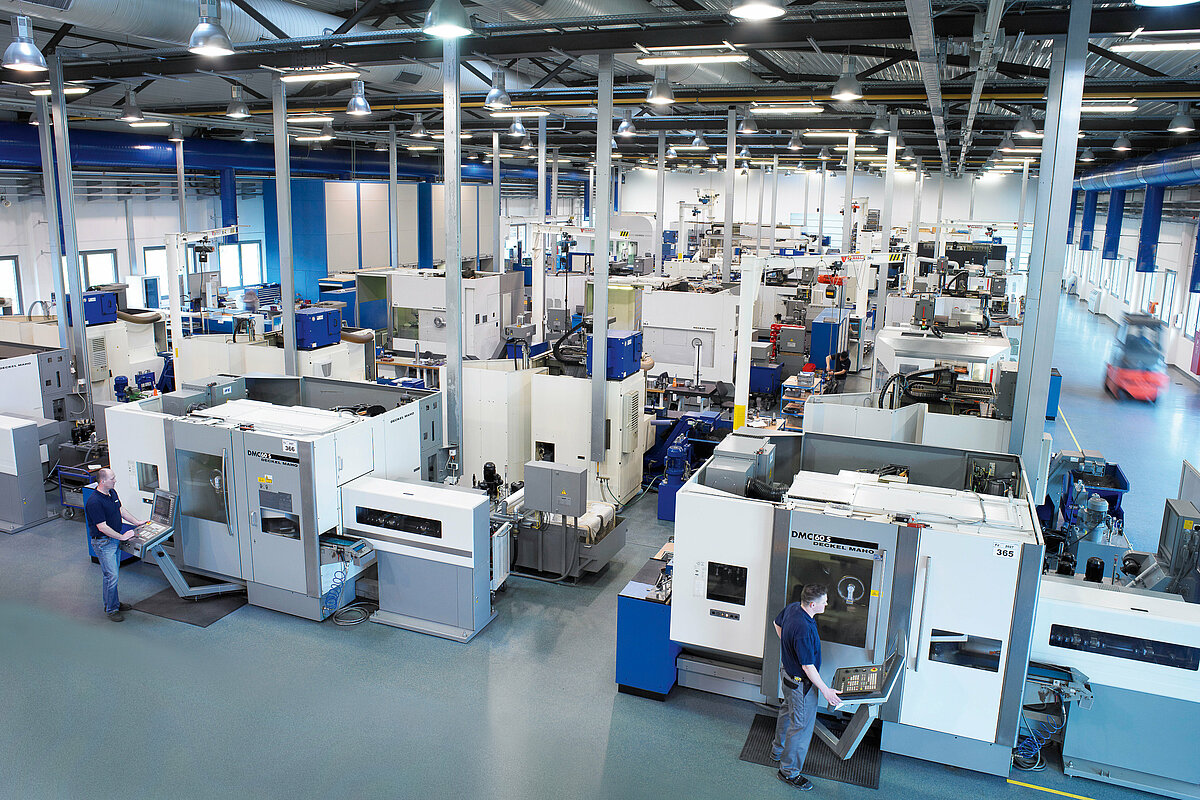
Ingersoll Werkzeuge GmbH - Head office in Haiger
DIAMOND BUSINESS: Mr Lettermann, Ingersoll has been a leading player in the German and international machining industry for decades. In recent years, you have placed greater emphasis on the PCD business. What opportunities do you see in this for the company’s future development?
Jörg Lettermann: Demand is growing steadily, and we are still a long way from reaching our goal. The development of new workpiece materials on the market is particularly exciting – we are seeing more and more aluminium, non-ferrous metals, plastics and fibre-reinforced composites. Efficient machining is crucial for these materials. We have our roots in mechanical engineering and have been serving OEM customers for decades with our in-house developed machines. This means we have built the tools, equipped the machines and supported the entire process of bringing components to series production. For several years now, we have successfully and specifically expanded this comprehensive project-based expertise into the PCD sector. This enables us to support our customers today with high-performance PCD tools for non-ferrous metals and composite materials as well – a segment that was not previously part of our portfolio and for which we now offer a comprehensive range of solutions.
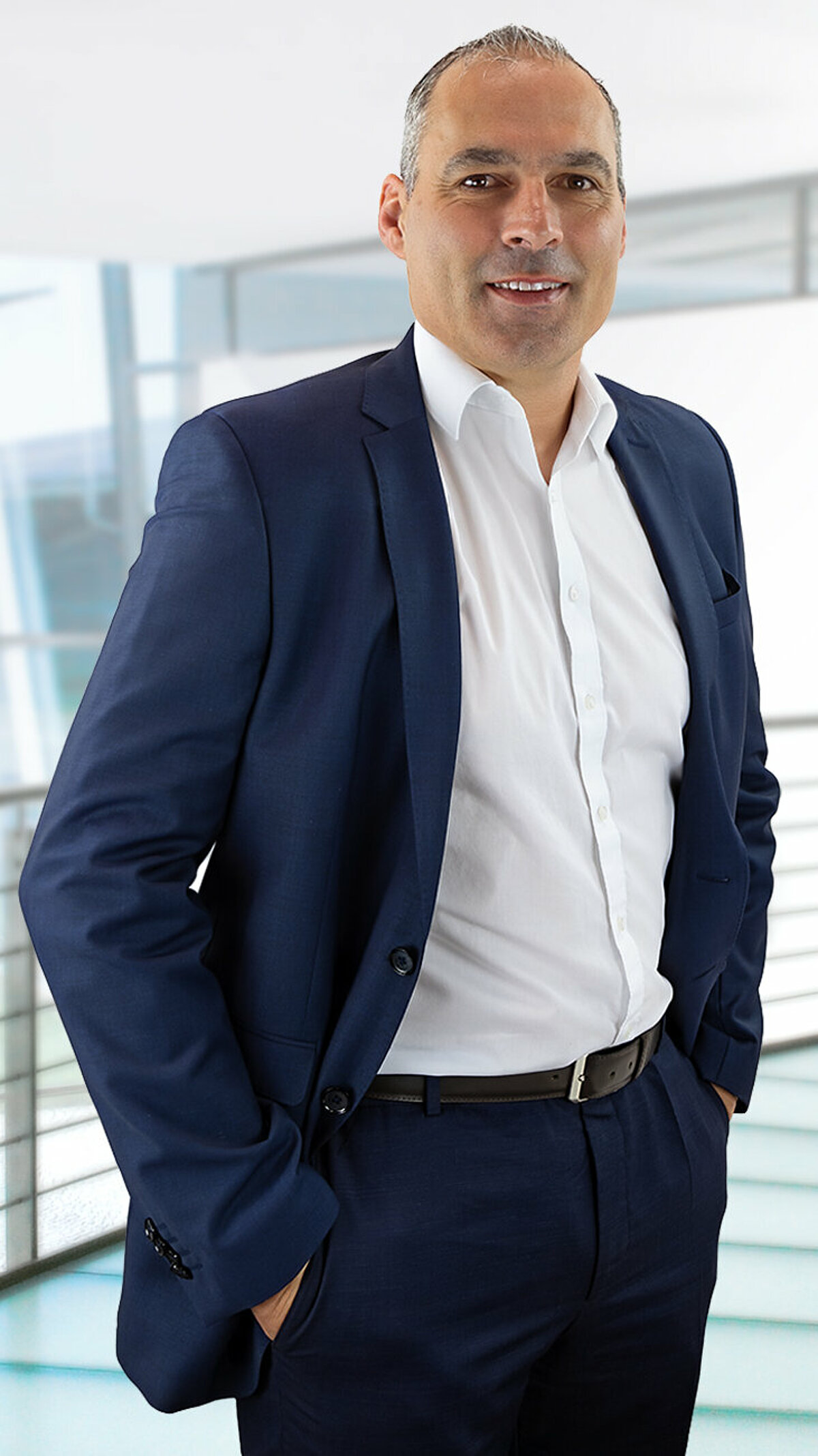
Jörg Lettermann
Managing Director
of Ingersoll GmbH
Analytical, inspiring, hands-on:
Jörg Lettermann at the helm of Ingersoll
Jörg Lettermann has been Managing Director of Ingersoll GmbH since 1 March 2025. His career began in 1987 with an apprenticeship as a mould maker, followed by further training as a technician and four years in the CAD/CAM sector, before he joined Ingersoll at the end of 1998. He started there as an applications engineer, later becoming head of product management and exports. From 2008, he was responsible for the entire sales department before being promoted to the management board last year. His professional career is characterised by in-depth specialist knowledge and analytical thinking. Lettermann brings ideas and fresh perspectives to the company and attaches great importance to direct, respectful interaction with staff and customers. His aim is always to be “number one”, whilst remaining motivated and in good spirits – and to inspire others to work towards shared goals. For the 54-year-old, learning the trade “from the ground up” was a great advantage: starting out with a solid apprenticeship as a steel mould maker has shaped his practical approach and his understanding of complex processes. He views challenges such as political conditions, rising tariffs or resource shortages with a highly critical eye, yet always remains solution-oriented. The father of two recharges his batteries through sport, from swimming and cycling to skiing and other outdoor activities. This enables him to tackle every new challenge with confidence and fresh vigour.
What impact is the rise in electric mobility having on demand for and the use of PCD tools at Ingersoll?
Electric mobility certainly plays a role, but we also see similar opportunities in completely different markets. We have already been active in various sectors for many of our customers, but were previously unable to offer tools for machining non-ferrous metals – something we can now cover excellently with PCD tools.
There are numerous niches for PCD tools whose potential many customers have not yet fully recognised. With these tools, for example, cycle times can be significantly reduced – even for comparatively small batch sizes. It is not always about production volumes as in the traditional automotive sector; even orders of fewer than 5,000 units can be economically viable.
Often, for instance, the issue of burr-free machining is underestimated, yet PCD can be used very efficiently here to achieve high-quality surfaces and precise results. Of course, PCD tools involve higher investment costs, but these are usually recouped very quickly thanks to the increased efficiency. It is crucial that the local sales team recognises the potential and highlights it effectively. That is why we place great emphasis on the continuous training and development of our sales staff.
Mr Lettermann, Ingersoll manufactures cutting tools at its sites in both Haiger and Vaihingen, employing over 480 people. On the one hand, this offers significant advantages in terms of flexibility and speed – on the other hand, manufacturing in Germany certainly presents its own challenges. How do you deal with this?
A key advantage of our sites is that our production here is largely fully automated. This sets us apart significantly from many other manufacturers who still rely heavily on manual production – in this respect, we are already one step ahead. Of course, it is not just staff costs that play a role. The administrative burden is also considerable: audits, certifications, quality management… – for example, we have another TÜV inspection coming up soon. Such processes are time-consuming, but crucial to the quality we deliver. Energy and operating costs are also a factor, but overall they are relatively manageable. What is far more crucial is that we have highly qualified staff who can operate our machines with great efficiency and manage our processes. Investing in this quality pays off in the long term, as it forms the basis for our efficiency, precision and flexibility.
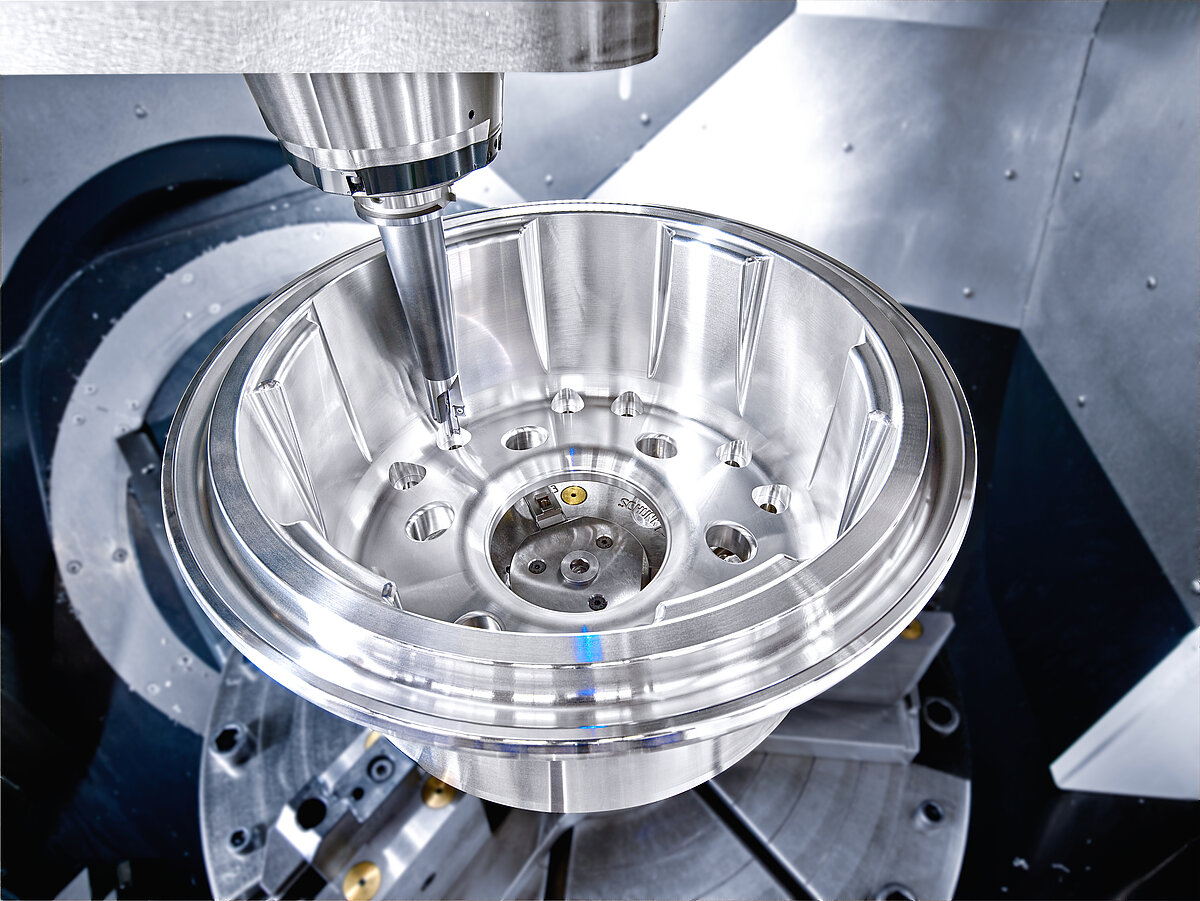
Example of aluminium wheel machining using a step drill and countersink tool
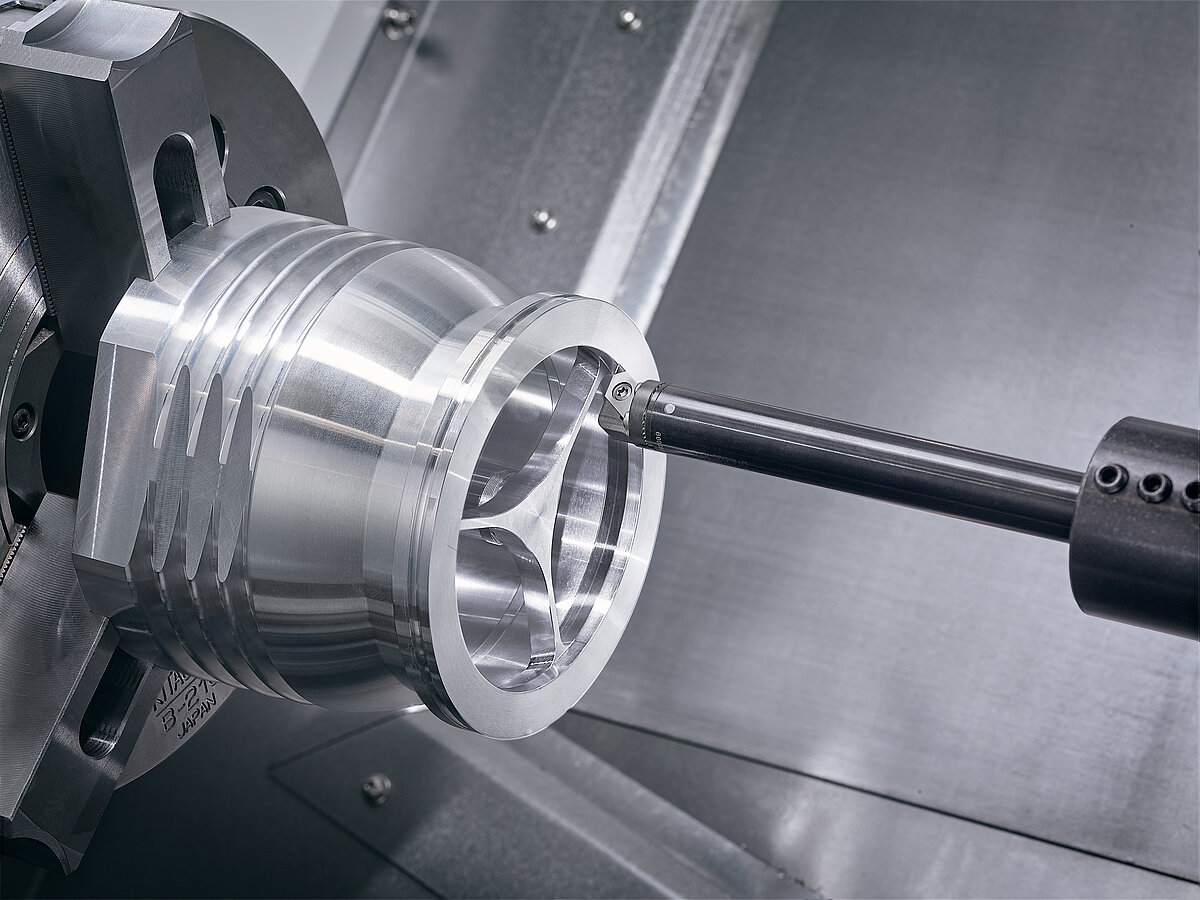
PKD rotary cutter with chip breaker during the machining of a pump casing
Ingersoll invites customers to its ‘InDays’ events to bring innovation and technology to life. How do these in-house exhibitions benefit you and your customers?
We last held the InDays in 2023. This is deliberately not a traditional in-house exhibition, but a comprehensive technology and application event. Our customers experience the full spectrum there: up to 23 machines from a wide range of manufacturers were in operation, covering all product sectors – from the supply industry right through to the automotive industry.
In addition to machining itself, the focus is on topics such as clamping systems, coolants, manufacturing technologies and programming. In short: at InDays, customers find the entire portfolio from A to Z – or rather, the complete process chain, naturally equipped throughout with Ingersoll tools.
The logistical and organisational effort involved is correspondingly enormous. At the last event, we welcomed around 4,500 trade visitors. The whole event is complemented by an extremely attractive supporting programme, which is why an annual cycle is not feasible. It is precisely this exclusivity that our customers greatly appreciate.
InDays runs over four days; the next event is scheduled for 2027. It will not take place this year, as we will be exhibiting at AMB in the autumn – an additional cost that would be impossible to manage in parallel.
If you compare the two formats – InDays and leading international trade fairs such as AMB or EMO – which one do you think is more impressive in hindsight, and why?
We do not view the two formats as competing with one another, but rather as clearly complementary, each with its own distinct objectives. Leading trade fairs such as AMB or EMO offer us international visibility, a wide reach and the opportunity to forge new contacts, as well as to identify market and technology trends at an early stage. They are indispensable for this purpose.
InDays, on the other hand, focuses much more on in-depth content. There, we can demonstrate our tools, technologies and process expertise in the real machining process – under production conditions, on various machines and across all industries. The direct exchange, in-depth consultation and quality of discussions are virtually impossible to replicate at this level at external trade fairs.
If one considers purely the added value per visitor, InDays is clearly the more efficient format for us. The effort involved is considerable, but the benefits in terms of lasting customer relationships, concrete projects and technological collaboration are correspondingly great.
Traditional trade fairs remain important for market presence, however. We achieve the greatest impact, however, where we can not only showcase technology but also bring it to life – and that is the case at our own in-house exhibition.

PKD-tipped disc cutter for machining bearing webs in the ZKG
In your view, in which technologies and applications does Ingersoll demonstrate its greatest strengths?
Without wishing to sound arrogant, I can say that we are well-positioned in all areas. Our group offers a wide range of options, including in the CBN sector. Of course, there are areas such as machining where some suppliers are highly specialised. Nevertheless, our technical expertise enables us to be at the forefront in almost every field and to offer our customers first-class solutions. Furthermore, we operate globally and have facilities worldwide, which allows us to provide direct and expert support to customers everywhere.
How does Ingersoll support its customers throughout the entire manufacturing process to ensure maximum efficiency and high-quality results?
Our sales network is characterised by a strong presence of our own staff. This is complemented by selected sales agents. Furthermore, we make targeted use of group synergies: within our group of companies, we have taken on distributors who now work for the group on an approximately 80% basis. This model has already proven successful in the USA.
This is a decisive advantage, particularly in the precision tool business, as a single distributor cannot provide optimal support to several companies at the same time. That is why we place great emphasis on intensive training – both for our direct sales team and for our partners. In January alone, we once again provided practical training to over 250 participants at our premises.
Our focus is on long-term partnerships. Continuity is of paramount importance here, particularly with complex products such as PCD tools. To offer our customers maximum benefit, we must have a thorough understanding of their processes, speak the ‘language’ of the respective industry and respond specifically to different requirements – whether in the automotive industry or other sectors.
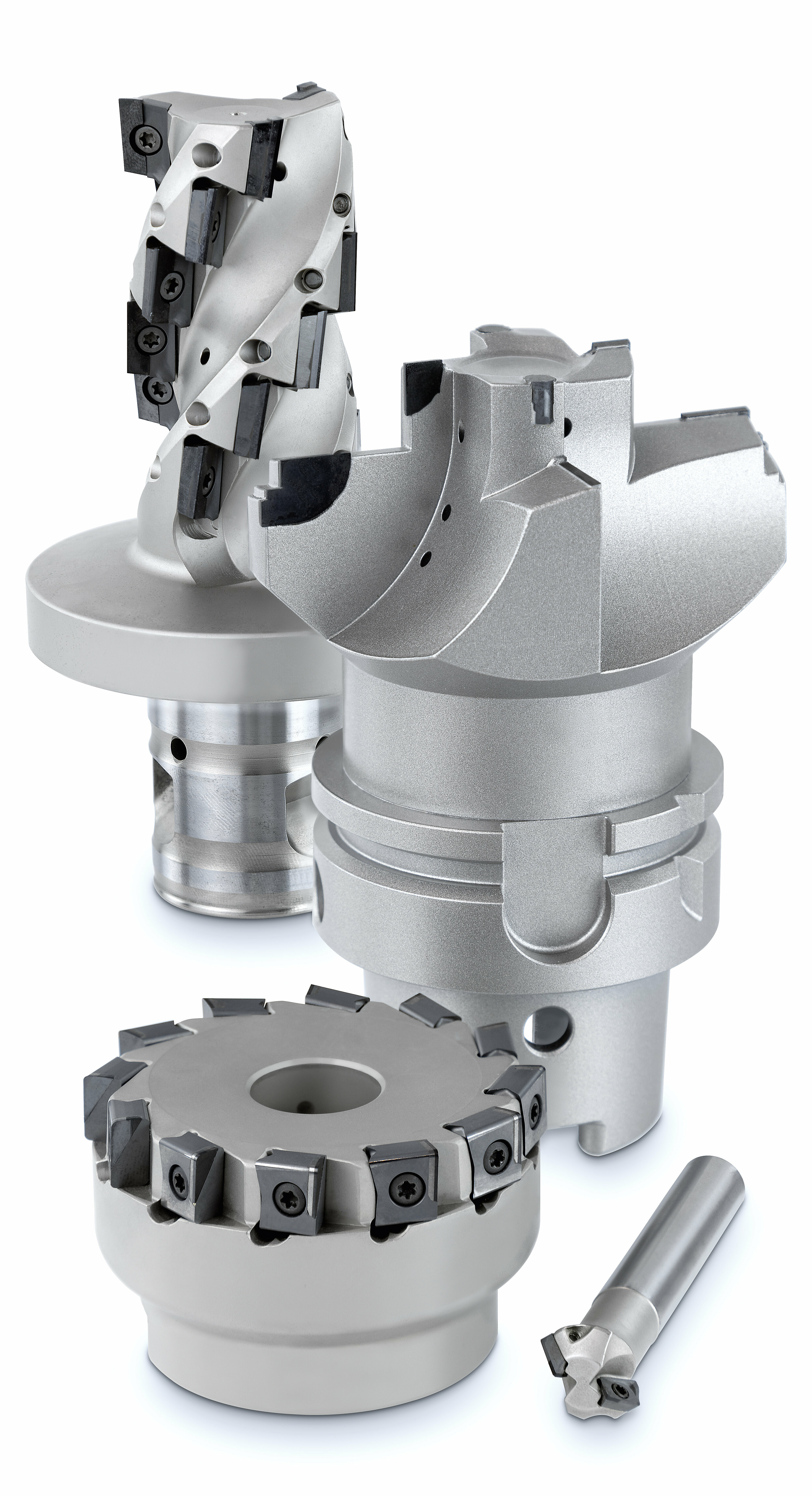
Standard PCD tools
With its own technology centre in Haiger and a specialist team, Ingersoll offers a unique range of services. How exactly does this help your customers to implement their projects?
At our technology centre in Haiger, 12 specialists now work exclusively on bespoke solutions. When a customer comes to us with a component that needs optimising, we first analyse their existing programmes and the tools currently in use. We then develop combinations that reduce cycle times and deliver the greatest possible benefit for the customer – not only through the tool itself, but also through our collective expertise gained from over 1,000 processed components and experience from 15,000 customer projects.
We take a holistic view of the entire manufacturing process: what machinery does the customer use, what drive power is available, what workpiece materials are being machined, and what applications are currently in operation? On this basis, we produce test reports, evaluate various machining concepts and identify potential savings – for example, where optimising step drills could eliminate the need for two or three passes.
The aim is to systematically collate all the information gathered: Which tests were carried out, under what conditions, how were the components clamped, and on which machines? Many of these questions recur, and through structured analysis we can offer our customers solutions that are both efficient and reproducible. This approach has proven its worth over many years and provides our customers with clear competitive advantages.
Company information
| Managing Director: | Jörg Lettermann |
| Founded: | 1887 in Rockford, Illinois – Ingersoll Cutting Tools |
| 1961 in Germany – Ingersoll Werkzeuge GmbH | |
| Product range: | Precision tools for industry |
| Full-range supplier of standard and custom tools for drilling, turning, milling and slotting; indexable insert and solid carbide tools; PCD and CBN indexable inserts and tools; and precision tool holders for industrial applications | |
| Staff: | 500 in Germany |
| 1,200 worldwide | |
| Annual turnover: | ~ 120 million Ingersoll Werkzeuge GmbH |
| Share of exports: | ~ 40% of Ingersoll Werkzeuge GmbH’s turnover |